Abstract
As radio emerged as a new medium and transformed
communication and popular culture, critics raised questions about the impact
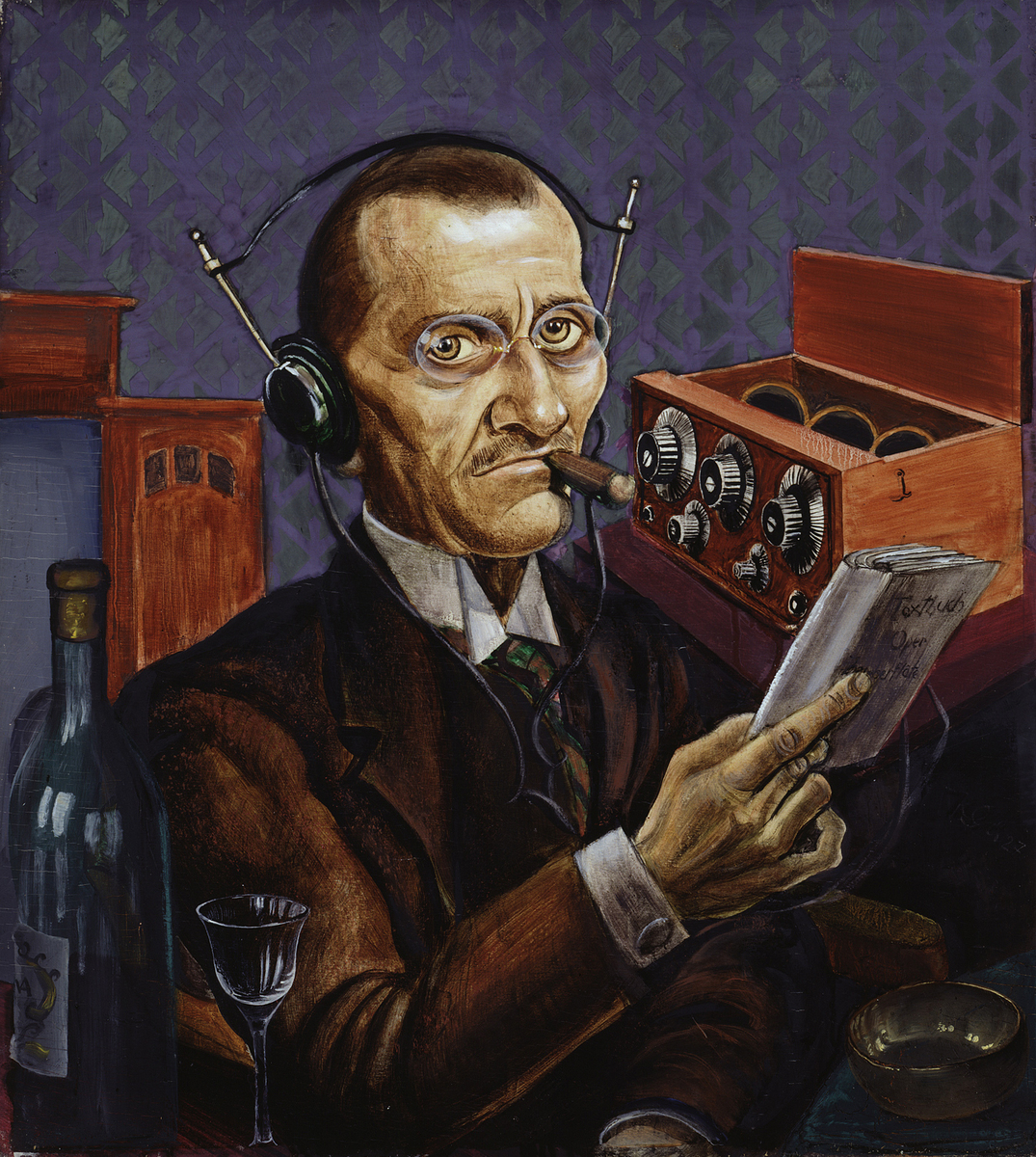
it would have on people’s lives. In a 1924 article for the Frankfurter Zeitung, editor and critic Siegfried
Kracauer wrote: “The radio, too, disperses our beings even before they have
caught a spark. Since many feel they have to broadcast, we are in a constant
state of receiving, always heavy with London, the Eiffel Tower, and Berlin.
Who could resist the courting of those delicate headphones? They shine in
the salons, they mechanically wind around heads – and instead of cultivating
an informed conversation, which will surely be boring, we turn into playing
fields of world noise which, regardless of its own potential objective
dullness, doesn’t even allow the humble right to personal boredom.”
[Siegfried Kracauer, Works, Volume 5.2, p. 162.
Original text: Frankfurter Zeitung, November 16,
1924.]