Abstract
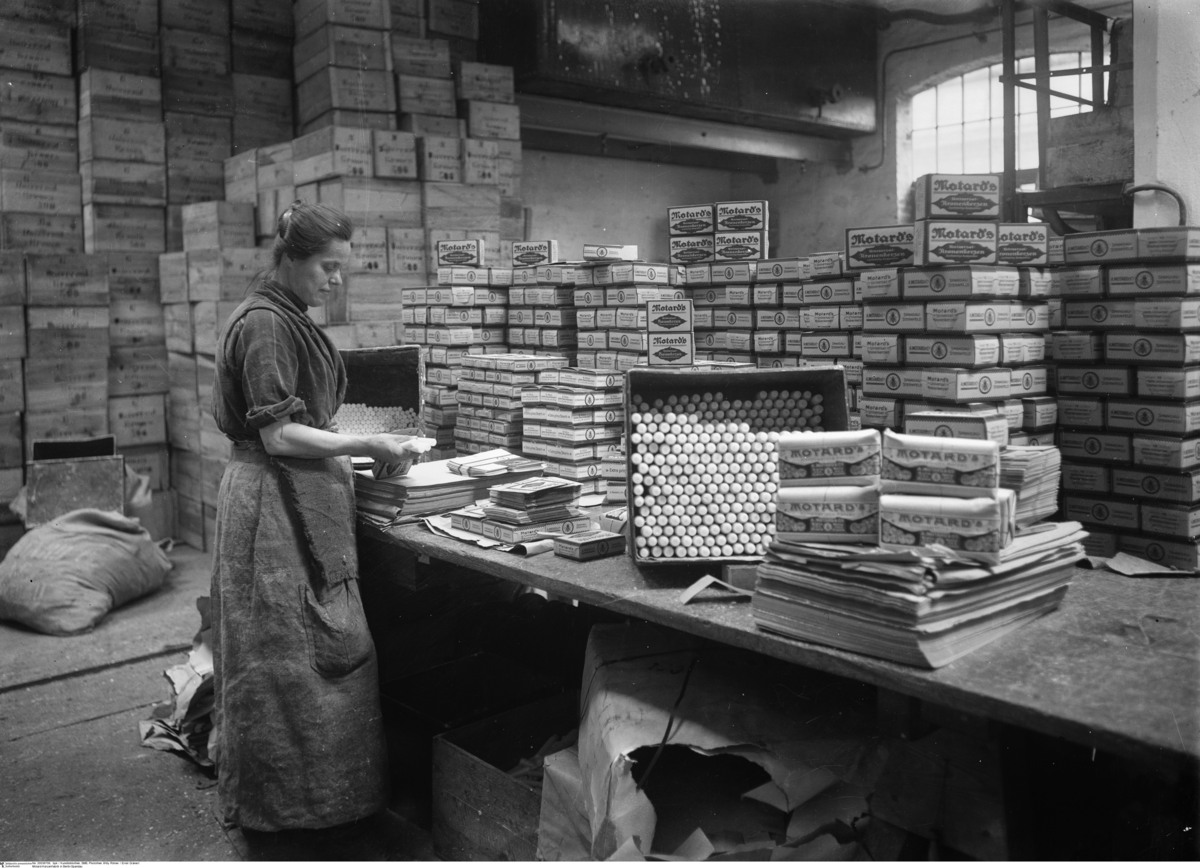
Far from bringing prosperity to workers, rationalized factory production only made their lives more difficult. While wages rose between 1924 and 1929, so did unemployment, and employed workers found the intensified pace of work both nerve-rattling and detrimental to their health. Any worker who objected was quickly told that there were thousands of others ready to take his or her place. Female workers faced particularly daunting circumstances. Tracked into lower-paying, unskilled jobs, their lives were governed by the alarm clock, the factory whistle, and the unending demands of childrearing and the household. Photograph by Ernst Gränert.