Abstract
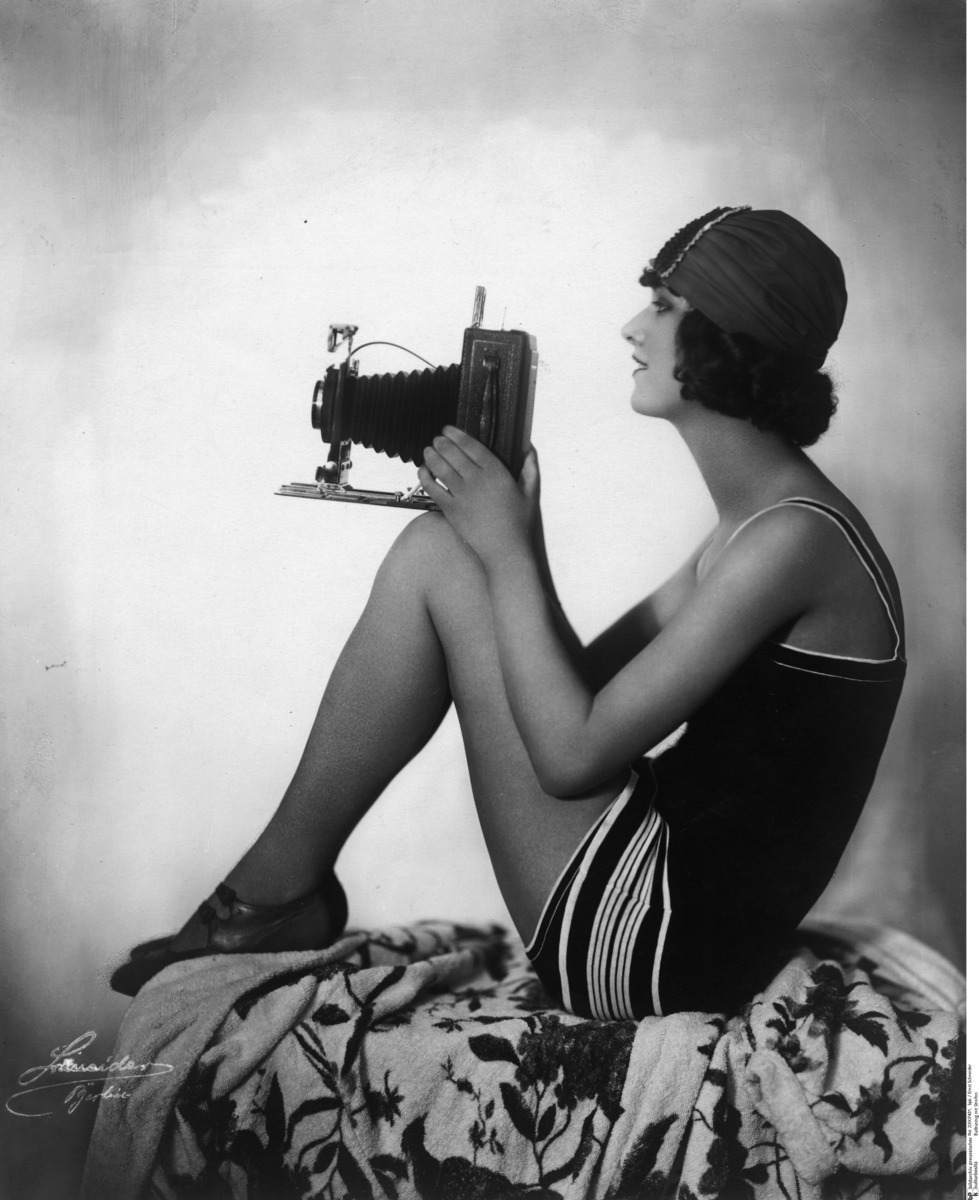
Fashion played an important role in defining modern femininity and
the type of the New Woman
[Neue Frau] of the Weimar era. The
pageboy haircut [Bubikopf] reached
Germany in the early 1920s and was immediately controversial.
Conservatives saw it as a sign of cultural decline, liberals as a symbol
of modernity and emancipation. New women’s fashions promised sexual
liberation, social mobility, and an escape from the confinements of
tradition. Berlin, the center of both the fashion industry and the
illustrated press, was alternatively glorified and vilified as the
embodiment of the modern.