Abstract
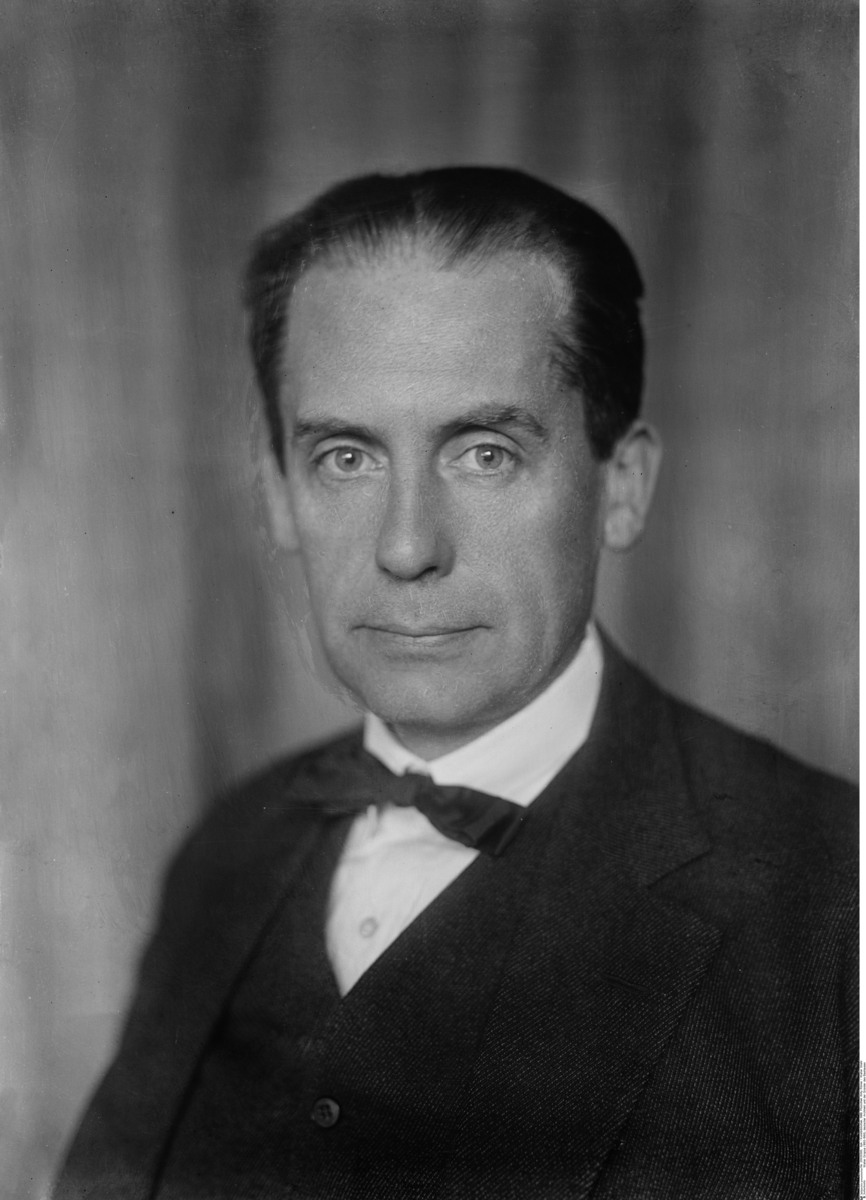
As the founder of the Bauhaus, Walter Gropius
(1883-1969) helped write a significant chapter in modern architectural
history. Gropius was a student of the prominent industrial architect Peter
Behrens and a member of the Deutscher Werkbund. From
1919 until 1928, he served as director of the Bauhaus, which was located
first in Weimar and then (after 1925) in Dessau. Gropius also designed the
school building in Dessau, which is widely regarded as one of the most
influential buildings of the modern movement and indeed the twentieth
century. After the Nazis seized power, he emigrated to the United Kingdom
and eventually to the U.S., where he taught architecture at Harvard
University and continued to work as an architect.