Abstract
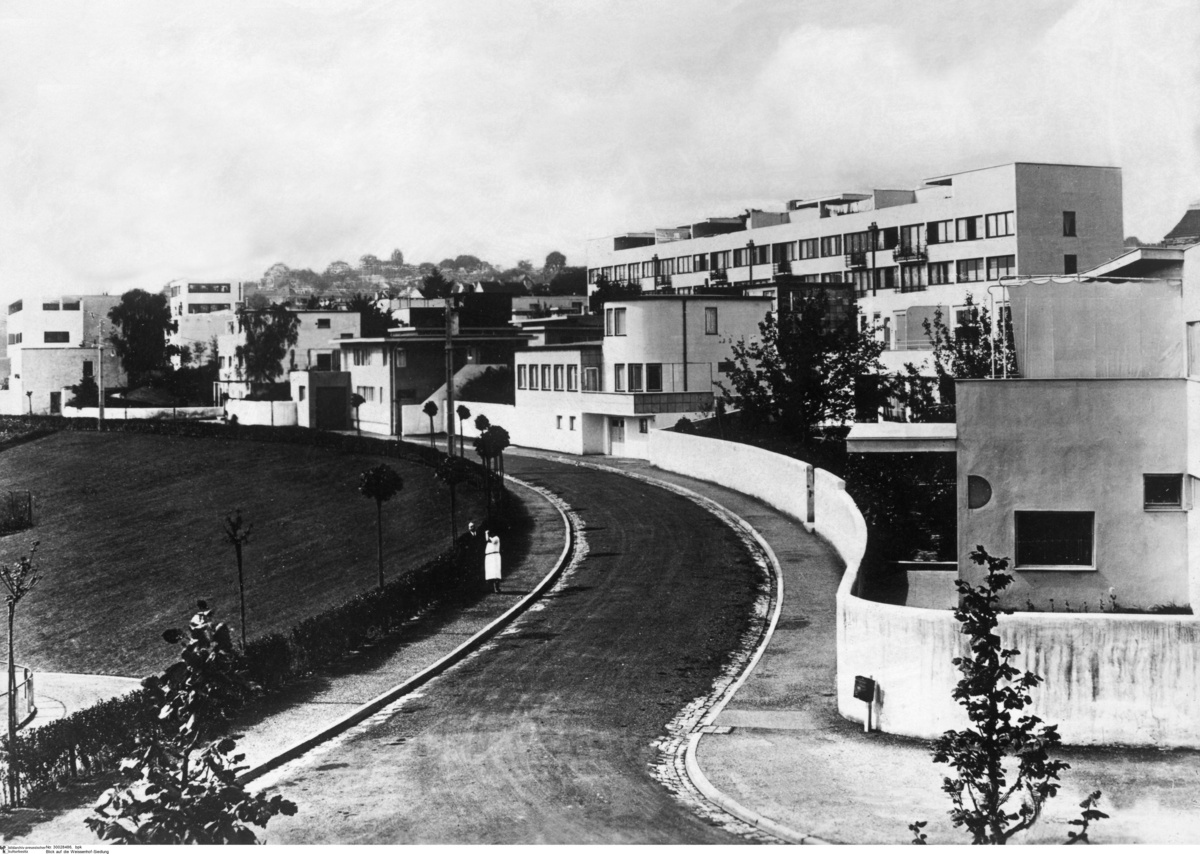
The Weissenhof Estate was built in 1927 for the Deutscher Werkbund
International Exhibition in Stuttgart under the direction of architect
Ludwig Mies van der Rohe. The exhibition aimed to demonstrate the
potential of modern architectural design in housing construction. The
architects invited to contribute to the exhibition were the preeminent
modernists of the day; they included Walter Gropius, Bruno Taut, Erich
Mendelsohn, Hans Poelzig, Le Corbusier, and Mies himself. There was only
one design requirement: each building had to have a flat roof. The flat
roof was supposed to symbolize the unity of the so-called New Building
[Neues Bauen] and at the same time
provoke a reaction. The Weissenhof Settlement succeeded on both counts.
It became a leading example of the new modernist style and earned the
enmity of the Stuttgart “League for the Protection of Our Homeland”
[Bund für Heimatschutz], which
referred to it as the “Arab village”
[Araberdorf] and called for it be
torn down.